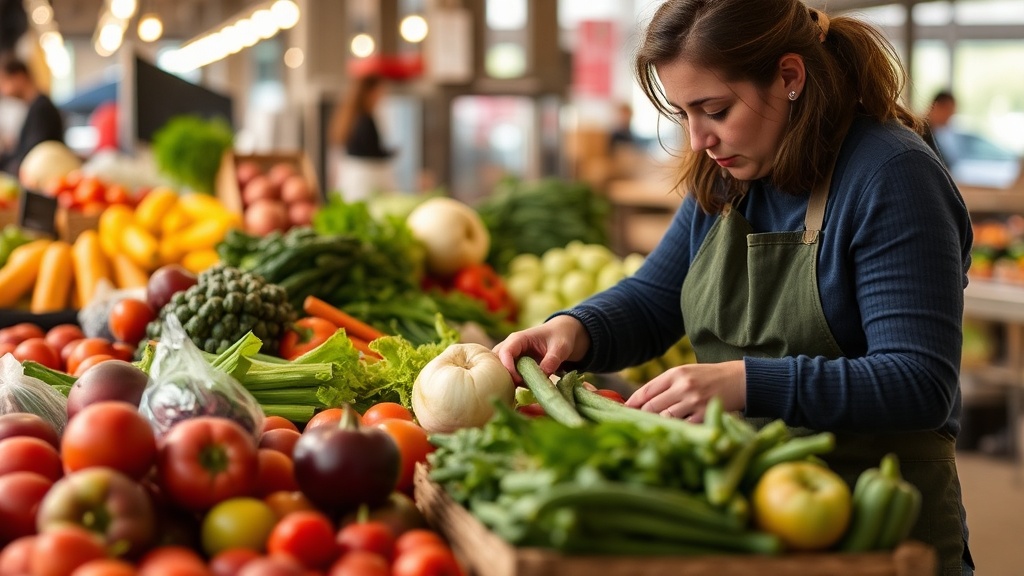
Finding the Best Seasonal Produce at Local Fort Erie Markets

Ever wonder why your grocery store tomatoes taste like cardboard compared to the ones you see at a roadside stand? This post covers exactly how to identify, source, and shop for the highest quality seasonal produce at local Fort Erie markets and farms. We'll look at the seasonal timing for the Niagara region, how to spot quality, and where to actually spend your money to support our local growers.
When is the best time to shop for seasonal produce in Fort Erie?
The best time to shop for seasonal produce in Fort Erie is between late June and October, when the Niagara Peninsula's microclimate produces its peak harvests. While greenhouses allow for some year-round availability, the true variety of fruit and vegetables hits the local markets during these warmer months.
In the spring, you'll mostly find greens and hardy vegetables. As we move into July and August, the heavy hitters arrive: sweet corn, peaches, and berries. This is the peak of our local growing season. If you're looking for something specific, timing is everything. You can't expect a perfect strawberry in mid-April in Ontario—it just doesn't work that way.
Here is a general breakdown of what to look for in our neck of the woods:
- Early Summer (June - July): Strawberries, salad greens, snap peas, and early cucumbers.
- Mid-Summer (July - August): Sweet corn, peaches, blueberries, tomatoes, and peppers.
- Late Summer/Fall (September - October): Apples, pumpkins, squash, and root vegetables like carrots and potatoes.
Check the Ontario Ministry of Agriculture, Food and Rural Affairs website for updates on seasonal shifts or unexpected frost alerts that might change what's available at the stands. Sometimes a late frost in May can push the berry season back a few weeks.
How do I know if the produce is actually fresh?
You can determine produce freshness by checking for weight, scent, and structural integrity. Fresh produce should feel heavy for its size and possess a natural, vibrant aroma rather than a chemical one.
When you're at a stall, don't be afraid to pick things up. A heavy tomato usually means it's juicy and ripe. A light, pithy one? Skip it. For leafy greens, look for crisp edges. If the edges are limp or yellowing, it's been sitting out too long or wasn't cooled properly after harvest.
One trick I use is checking the "stem end." On fruits like peaches or plums, the area around the stem should be firm but slightly yielding. If it's mushy, it's overripe. If it's rock hard, it's not ready to eat yet. It's a bit of a science, really—but once you do it a few times, you'll have a gut feeling.
Quick Quality Checklist:
- Color: Look for deep, consistent colors rather than pale or blotchy spots.
- Texture: Avoid bruising or soft spots on the skin.
- Smell: High-quality produce should have a subtle, pleasant scent.
- Weight: The item should feel dense and substantial.
Where are the best places to buy local in Fort Erie?
The best places to buy local in Fort Erie include the seasonal farmers' markets, roadside fruit stands along the Niagara Parkway, and direct-to-consumer farm gates.
The Fort Erie Farmers' Market is a staple for a reason. It's not just about the food; it's about the community. You get to talk directly to the people who grew your dinner. That said, if you want the absolute lowest prices on bulk items like corn or pumpkins, your best bet is often the roadside stands found on the outskirts of town. These stands often have much higher volumes and lower overhead than a formal market setting.
If you're looking for more specialized items, keep an eye out for local orchards. The Niagara region is world-famous for its fruit production (you can read more about the Niagara Peninsula's geography and how it affects agriculture on Wikipedia). Many of these orchards have small farm shops that sell much more than just fruit—think jams, cider, and even honey.
| Source Type | Best For... | Pros | Cons |
|---|---|---|---|
| Farmers' Markets | Variety & Socializing | High quality, diverse vendors | Limited hours, can be crowded |
| Roadside Stands | Bulk Seasonal Goods | Cheapest prices for corn/fruit | Limited selection of non-seasonal items |
| Farm Gates | Specialty Products | Direct from source, very fresh | Can be harder to find/access |
One thing to keep in mind: many of these smaller operations are cash-heavy. While more vendors are starting to accept debit or even credit through mobile systems, you'll never go wrong by carrying some cash. It's much easier when you find that one stand with the perfect peaches and realize you're short a few dollars.
Why should I buy local instead of at the supermarket?
Buying local supports the regional economy and ensures you are consuming produce that was harvested at peak ripeness. When you buy from a Fort Erie farmer, your money stays in the community, helping to sustain the very land that produces your food.
The nutritional profile of local produce is often higher because the transit time is shorter. A head of lettuce at a big-box store might have traveled thousands of kilometers in a refrigerated truck. By the time it hits your plate, it's lost a significant portion of its vitamin content. Local produce is often picked just a day or two before it reaches you. The difference in taste is night and day. It's not just a preference—it's a biological reality.
There's also the environmental aspect. Less transport means a smaller carbon footprint. It's a small way to make a difference in how we consume. Plus, you aren't relying on long, complex supply chains that can be disrupted by global events or weather issues in other parts of the world.
If you're looking for specific certifications or want to learn more about food safety standards in Canada, the Canadian Food Inspection Agency provides extensive documentation on how food is regulated and kept safe for public consumption.
Don't forget to check the weather before you head out. A heavy rainstorm can sometimes push market vendors to cancel or move locations. It's always worth a quick glance at a local community Facebook group or the official market website before you make the trip.
When you're out there, look for the small signs of quality. A little bit of dirt on a carrot is a good sign—it means it was actually pulled from the ground recently, not washed and polished in a factory. Embracing the slightly imperfect, real-world look of local produce is part of the charm of shopping in Fort Erie.
Steps
- 1
Check the Seasonal Calendar
- 2
Visit During Peak Morning Hours
- 3
Bring Reusable Bags and Cash