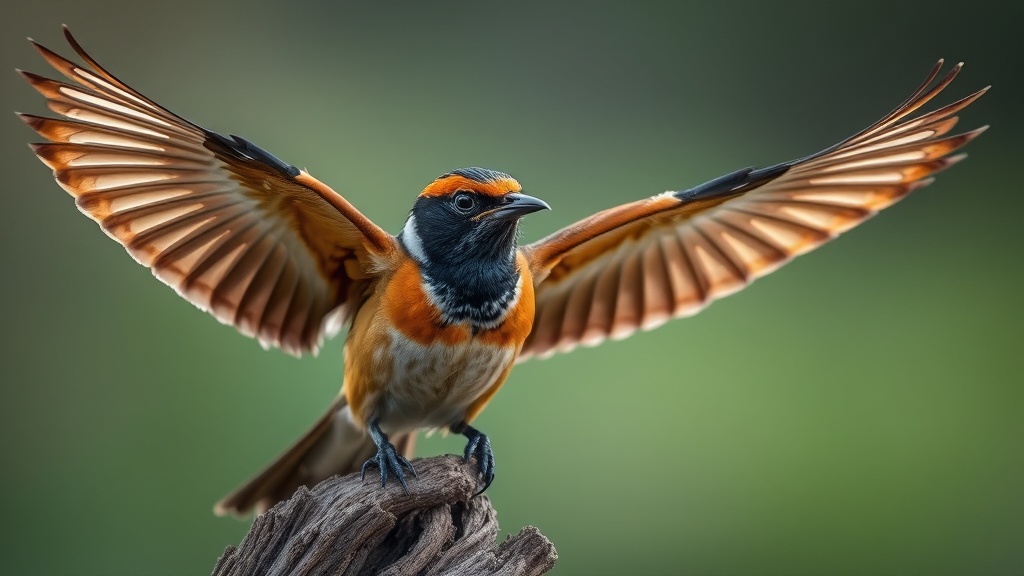
Fort Erie's Winged Wonders: Where to Find Our Local Birds

Fort Erie's Winged Wonders: Where to Find Our Local Birds
For those residing in or visiting Fort Erie, an often-overlooked natural spectacle unfolds daily across our unique landscapes: the vibrant world of local and migratory birds. This guide will walk you through the prime locations to observe Fort Erie’s diverse avian population, highlight the species you might encounter, and offer practical advice for a rewarding bird-watching experience. Whether you’re a seasoned birder or simply curious about the natural world around us, understanding these patterns and places enriches your connection to our beautiful corner of Ontario.
Where can you find the best bird-watching opportunities around Fort Erie?
Fort Erie sits at a remarkable ecological crossroads, making it a hotspot for bird activity. Our position on the north shore of Lake Erie, coupled with the Niagara River’s flow, creates varied habitats that attract a wide array of species throughout the year. Knowing where to look is key, and several locations stand out for their consistent bird-watching potential.
Point Abino Lighthouse: This iconic landmark isn't just a picturesque historical site; it’s a critically important migratory stopover. The spit of land extending into Lake Erie serves as a natural funnel for birds crossing the lake, especially during spring and fall migrations. Expect to see numerous warblers, vireos, flycatchers, and various raptors pausing here before or after their long flights. The shoreline also hosts waterfowl, gulls, and terns. Access can be seasonal, so checking local advisories is a smart move before you head out.
Crystal Beach Waterfront Park: While known for its sandy shores and recreational activities, Crystal Beach offers excellent opportunities for observing shorebirds and waterfowl, particularly outside peak summer season. The calm waters in the bay and the adjacent marshy areas provide shelter and feeding grounds. Keep an eye out for various ducks, geese, and occasionally rare shorebirds that stop to rest and forage.
Niagara River Parkway (Fort Erie Section): The Niagara River itself is a globally significant Important Bird Area (IBA), and the stretch along Fort Erie is no exception. This waterway acts as a natural corridor, especially during winter months when it becomes an open-water refuge for thousands of waterfowl that cannot find open water elsewhere. Species like Canvasbacks, Redheads, scaup, and various mergansers can be seen in impressive numbers. Observing from designated viewing areas along the parkway allows for safe and clear sightings. The woodlands bordering the river also attract passerines and raptors, including bald eagles, which are becoming more common in the region.
Wainfleet Bog Conservation Area: A short drive from Fort Erie, the Wainfleet Bog presents a unique ecosystem – a rare remaining peat bog in Southern Ontario. This specialized habitat supports species not typically found in other local areas, including specific bog-adapted birds. It’s an excellent spot for observing species that favor coniferous environments and offers a different birding experience compared to the lake and riverfronts. The quiet, secluded nature of the bog also contributes to a more serene bird-watching session.
What kinds of birds visit Fort Erie throughout the year?
The beauty of bird-watching in Fort Erie lies in its seasonality; the cast of characters changes dramatically with the calendar. Our location ensures a dynamic parade of avian life.
Spring (March-May): This is arguably the most exciting time for birders. Millions of migratory birds — warblers, thrushes, vireos, and various sparrows — return north, often exhausted from their journeys. They refuel in our woods, parks, and shoreline habitats. You’ll hear a symphony of bird song as they establish territories and seek mates. Keep an eye out for colourful species like the Yellow Warbler, Baltimore Oriole, and Rose-breasted Grosbeak.
Summer (June-August): While many migrants move further north, Fort Erie remains home to numerous breeding birds. Expect to see many species nesting, raising their young, and foraging for food. Resident birds such as Northern Cardinals, Blue Jays, American Robins, and various woodpeckers are plentiful. Shorebirds like Killdeer and Spotted Sandpipers are common along the water's edge, and many swallow species dart through the air above open fields and water bodies.
Fall (September-November): The southbound migration is just as spectacular as spring, though often less heralded by song. Birds return in larger, mixed flocks, often joined by their newly fledged offspring. Raptors, in particular, are prominent during this period, utilizing thermal updrafts along the lake and river for their long journeys. Hawks, falcons, and eagles can be observed making their way south. Waterfowl numbers also begin to swell as birds from northern breeding grounds arrive. Ducks, geese, and swans prepare for winter on Lake Erie.
Winter (December-February): Even in the depths of winter, Fort Erie remains a vibrant birding destination. As mentioned, the Niagara River is crucial for wintering waterfowl. Beyond the river, feeders attract common backyard birds, while hardy species like Dark-eyed Juncos, American Tree Sparrows, and various finches seek sustenance in our forests and fields. Look for Snowy Owls in open areas during irruption years, and remember that various gulls often congregate near the lake, offering chances for species identification challenges. For comprehensive information on Canadian bird species and conservation efforts, consider visiting