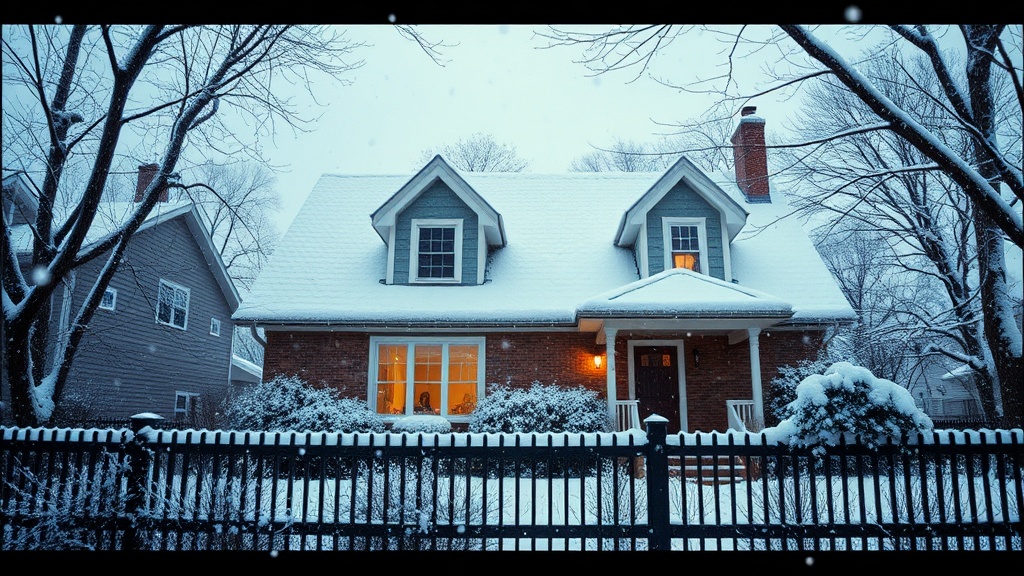
How to Winterize Your Fort Erie Home Before the First Snow Falls

What You'll Learn About Preparing Your Fort Erie Home for Winter
This guide covers everything Fort Erie homeowners need to know about winterizing their properties before the cold sets in. From sealing drafts in older homes near the waterfront to protecting your pipes during those brutal lake-effect snowstorms, we'll walk through practical steps that save money and prevent headaches. Fort Erie's location along Lake Erie means we face unique challenges — sudden temperature drops, heavy snowfall, and biting winds that can catch even longtime residents off guard. By the time you finish reading, you'll have a clear action plan tailored specifically to our local climate and housing stock.
Why Do Fort Erie Homes Need Special Winter Preparation?
Living in Fort Erie means dealing with weather patterns that differ significantly from inland Ontario communities. Our proximity to Lake Erie creates what's called "lake-effect snow" — bands of heavy precipitation that can dump significant snowfall in a matter of hours. Homes in neighborhoods like Ridgeway, Crystal Beach, and the historic downtown core each face slightly different challenges depending on their age, construction, and exposure to prevailing winds.
The older homes common in Fort Erie's established neighborhoods often have unique vulnerabilities. Original windows, aging insulation, and outdated heating systems require attention that newer suburban builds might not. But even newer construction in areas like Stevensville needs proper winterization — our freeze-thaw cycles are hard on any building materials. We see temperatures swing from above freezing to well below zero within 24 hours, and that expansion and contraction takes a toll on roofs, foundations, and exterior finishes.
Local contractor Mike Henderson, who's been working in Fort Erie for over two decades, notes that the most common winter call he receives is for frozen pipes — especially in homes built before the 1980s. "People don't realize how quickly the cold can penetrate along the lakeshore," he told the Fort Erie Times last season. "A few hours of -15°C with the wind coming off the lake, and you've got problems if you haven't prepared."
How Can You Protect Your Fort Erie Home from Drafts and Heat Loss?
Start with the basics — and that means a thorough walk-around of your property. Check every window and exterior door for drafts. In Fort Erie, where many homes date back to the mid-20th century or earlier, weatherstripping is often worn or missing entirely. You can test for drafts by holding a lit candle near window frames and door jambs on a windy day. If the flame flickers, you've found a leak that needs sealing.
Apply caulk around window frames, door frames, and any exterior penetrations like dryer vents or hose bibs. Pay special attention to the north-facing sides of your home — that's where the prevailing winter winds hit hardest in Fort Erie. For older single-pane windows, consider installing plastic film insulation kits. They're inexpensive, available at Canadian Tire on Garrison Road, and can reduce heat loss by up to 70% through those vintage windows.
Don't forget your attic. Heat rises, and if your attic isn't properly insulated, you're literally paying to heat the sky. Fort Erie homes should have at least R-50 insulation in the attic — that's about 15 inches of blown-in fiberglass. If you can see your ceiling joists, you need more insulation. The Natural Resources Canada energy efficiency program offers rebates for insulation upgrades, and local contractors like those listed with the Fort Erie Chamber of Commerce can assess your needs.
Basements are another major source of heat loss in Fort Erie homes. Many of our older properties have unfinished basements with stone or block foundations that conduct cold. Even if you don't heat your basement directly, sealing cracks and adding insulation to the rim joists (where the foundation meets the floor above) makes a noticeable difference in your overall comfort and heating bills.
What Steps Should You Take to Prevent Frozen Pipes in Fort Erie?
Frozen pipes are a nightmare — and they're entirely preventable with some basic preparation. In Fort Erie, pipes most commonly freeze in unheated interior spaces like basements, crawl spaces, attics, and garages. They also freeze in exterior walls that lack adequate insulation — a common issue in homes built before modern energy codes.
Start by disconnecting all garden hoses and draining outdoor faucets. If your home has interior shut-off valves for these exterior fixtures, close them and open the outdoor taps to drain any remaining water. For added protection, install insulated faucet covers — you can pick them up at Home Hardware on Gilmore Road for under ten dollars each.
Inside your home, identify pipes that run through unheated areas. These might be in your basement ceiling, running along exterior walls, or in that cold crawl space under the kitchen addition. Wrap these pipes with foam insulation sleeves, available at any hardware store. For particularly vulnerable sections — like the pipe leading to your kitchen sink on that north-facing exterior wall — consider adding heat tape that automatically warms the pipe when temperatures drop.
On the coldest nights — and Fort Erie sees plenty of nights below -20°C — let faucets drip slightly. Moving water is harder to freeze than standing water. Open cabinet doors under sinks to allow warm air to circulate around the plumbing. And if you're planning to be away during a cold snap, don't set your thermostat below 15°C. The small savings on your heating bill isn't worth the thousands in damage from a burst pipe.
If you do experience a frozen pipe, act quickly. Turn off the main water supply — usually located near your front foundation wall or in the utility room — and call a licensed plumber. The Town of Fort Erie's website maintains a list of emergency service providers, and the local building department can advise on whether permits are needed for repairs.
How Should You Prepare Your Heating System for a Fort Erie Winter?
Your furnace works hardest from December through March in Fort Erie — that's four solid months of demand. Before the cold hits, replace your furnace filter. A clean filter improves efficiency and reduces wear on your blower motor. If you have a high-efficiency furnace with an exterior vent intake, make sure it's clear of leaves, snow, and ice throughout the winter. Blocked intakes can cause your furnace to shut down — usually at the worst possible time.
Schedule a professional inspection if your system is more than ten years old. A technician will check for carbon monoxide leaks, clean the burners, and ensure your heat exchanger is intact. Carbon monoxide is odorless and deadly — every Fort Erie home should have working CO detectors on every floor, particularly near sleeping areas. Test them monthly and replace batteries annually.
If you heat with oil or propane, fill your tank before winter demand drives prices up. Local suppliers like Superior Propane serve Fort Erie residents, and many offer budget payment plans that spread costs across the year. For wood-burning fireplaces or stoves — still common in rural areas of Fort Erie like Black Creek and Winger — have your chimney professionally cleaned and inspected. Creosote buildup is a leading cause of house fires, and a blocked chimney can force dangerous gases back into your living space.
Consider a programmable or smart thermostat if you don't already have one. Lowering your home's temperature by even a few degrees while you sleep or when you're at work can save significantly on heating costs. Fort Erie Hydro offers tips on energy conservation, and their time-of-use pricing means running major appliances during off-peak hours saves money too.
What Exterior Maintenance Tasks Matter Most Before Winter?
Walk around your property and clear your eavestroughs and downspouts. Clogged gutters lead to ice dams — those dangerous buildups of ice that can back up under your shingles and cause leaks. Make sure downspouts direct water at least six feet away from your foundation. Fort Erie's clay-heavy soil expands when wet and contracts when frozen, and that movement can crack foundations if water pools nearby.
Inspect your roof from the ground (or hire a professional if your roof is steep or you're uncomfortable). Look for missing or damaged shingles, particularly along the edges and valleys where wind and ice take their toll. Fort Erie's lake-effect storms often come with high winds, and loose shingles are the first to go. Addressing small problems in the fall prevents major leaks in January.
Trim back tree branches that hang over your roof or near power lines. Ice storms — which Fort Erie experiences most winters — add significant weight to branches. A falling limb can damage your roof, take out your power, or worse. The Town of Fort Erie's forestry department can advise on whether a tree on municipal property needs attention, but homeowners are responsible for trees on their own lots.
Drain and store your lawnmower properly. Run it until the fuel tank is empty, or add fuel stabilizer if you prefer to keep gas in it over winter. Store garden hoses in your garage or shed — leaving them outside with water inside will ruin them. And stock up on ice melt before the first storm hits. Big box stores often sell out quickly when a major system is forecast, and you'll want to keep your walkways safe for mail carriers, delivery drivers, and your own family.
How Do You Create an Emergency Plan for Winter Storms in Fort Erie?
Fort Erie residents know that severe winter storms can knock out power and make roads impassable for hours or even days. Prepare an emergency kit that includes flashlights, batteries, bottled water, non-perishable food, and any necessary medications. If you have a fireplace or wood stove, make sure you have a supply of dry firewood stored indoors where it won't freeze.
Keep your vehicle's gas tank at least half full throughout winter. This prevents fuel line freeze-ups and ensures you can run the engine for heat if you're stranded. Pack a winter survival kit for your car including blankets, a first-aid kit, jumper cables, and sand or cat litter for traction if you get stuck on a snowy road.
Stay informed about weather conditions. Environment Canada issues weather warnings for the Niagara Region, and local radio stations like 105.1 The River provide updates during severe weather. The Town of Fort Erie's social media accounts and Niagara Region's website post road closures, transit disruptions, and warming center locations when extreme cold hits.
Check on your neighbors — particularly elderly residents or those with mobility challenges. Fort Erie's community spirit shines brightest during difficult weather, and a quick phone call or visit can ensure everyone has heat, food, and necessary supplies. The Town's community services department can connect vulnerable residents with additional support if needed.